

In today’s fast-paced world, maintaining a robust immune system support is crucial for overall health. With the increasing interest in holistic wellness, many are turning to natural immunity boosters to enhance their body’s defenses.
But what exactly are these natural immunity boosters, and how can they be incorporated into daily life? The concept of boosting immunity through holistic means involves a combination of dietary changes, lifestyle adjustments, and stress management techniques.
By adopting a more holistic wellness approach, individuals can potentially reduce their reliance on pharmaceuticals and improve their overall well-being.
Key Takeaways
Table of Contents
- Understanding the role of holistic wellness in immune system support
- Identifying natural immunity boosters for daily use
- Learning how to incorporate these boosters into your lifestyle
- Recognizing the benefits of a holistic approach to health
- Discovering stress management techniques for immune system support
Understanding Your Immune System
Your immune system is a complex network of cells, tissues, and organs that work together to defend your body. It’s a remarkable defense mechanism that protects you from harmful pathogens, including bacteria, viruses, and other foreign substances.
How the Immune System Works
The immune system operates through a multi-layered process. Innate immunity provides the first line of defense, with barriers like the skin and mucous membranes preventing pathogen entry. If a pathogen breaches this barrier, the inflammatory response is triggered, isolating the affected area and fighting the infection.
Signs of a Weakened Immune System
A weakened immune system can manifest in various ways, including frequent colds, persistent fatigue, and recurring infections. Other signs include slow wound healing, digestive issues, and autoimmune diseases. Recognizing these signs is crucial for taking proactive steps to boost your immune health.
Why Natural Approaches Matter
Natural approaches to immune system support are essential for maintaining overall health. Unlike pharmaceutical interventions, natural methods like dietary changes, stress management, and adequate sleep can strengthen your immune system without adverse effects. By incorporating immune health strategies into your daily routine, you can enhance your body’s resilience against infections and diseases.
By understanding how your immune system works and taking steps to support it naturally, you can significantly improve your overall well-being and reduce the risk of illnesses.
Natural Immunity Boosters: Foods to Add to Your Diet
Incorporating immune-boosting foods into your daily meals can significantly enhance your overall health. A diet rich in vitamins, minerals, and antioxidants is crucial for maintaining a strong immune system. By focusing on whole, nutrient-dense foods, you can provide your body with the necessary tools to fight off infections and stay healthy.
Colorful Fruits and Vegetables
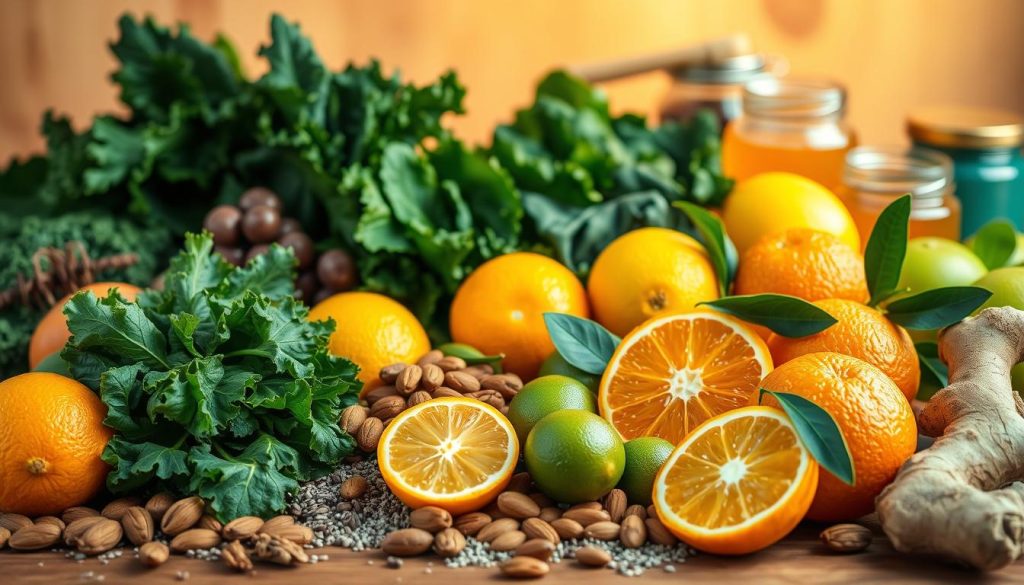
Colorful fruits and vegetables are packed with vitamins and antioxidants that help support immune function. These foods are rich in vitamin C, which is known for its immune-boosting properties.
Berries and Citrus Fruits
Berries such as blueberries and strawberries, along with citrus fruits like oranges and grapefruits, are high in vitamin C. Consuming these fruits can help enhance your immune response.
Leafy Greens and Cruciferous Vegetables
Leafy greens like spinach and kale, and cruciferous vegetables such as broccoli and cauliflower, are rich in vitamins and minerals that support immune health. These vegetables contain antioxidants that help protect cells from damage.
Probiotic-Rich Foods
Probiotics are beneficial bacteria that play a crucial role in gut health, which is closely linked to immune function. Foods rich in probiotics include yogurt, kefir, and fermented vegetables like sauerkraut and kimchi.
Immune-Supporting Proteins and Fats
Certain proteins and fats are essential for immune health. Foods high in omega-3 fatty acids, such as salmon and walnuts, help reduce inflammation and support immune function. Lean proteins like chicken and turkey provide essential amino acids necessary for immune cell production.
Hydration and Immunity
Staying hydrated is vital for maintaining a healthy immune system. Water helps in the production of lymph, which carries white blood cells and other immune cells throughout the body. Adequate hydration also supports the functioning of these cells.
Essential Supplements for Immune Support
To support immune health, it’s crucial to understand the role of essential supplements. While a balanced diet is fundamental, supplements can help fill nutritional gaps and provide additional immune support.
Key Vitamins and Minerals
Vitamins and minerals play a significant role in immune function. Vitamin C, D, and Zinc are particularly important for immune health.
Vitamin C, D, and Zinc
Vitamin C is known for its antioxidant properties, Vitamin D is crucial for immune regulation, and Zinc supports various immune processes. Ensuring adequate intake of these nutrients is vital.
Proper Dosage and Timing
The effectiveness of supplements depends on proper dosage and timing. It’s essential to follow recommended dietary allowances and consult with a healthcare professional.
| Supplement | Recommended Daily Dose | Timing |
|---|---|---|
| Vitamin C | 60-90 mg | With meals |
| Vitamin D | 600-800 IU | With breakfast |
| Zinc | 8-11 mg | With food to avoid stomach upset |
Herbal Supplements
Herbal supplements like Echinacea and Elderberry have been traditionally used to support immune health. They can be consumed in various forms, including capsules, teas, and extracts.
How to Choose Quality Supplements
Choosing high-quality supplements involves looking for products from reputable manufacturers that adhere to Good Manufacturing Practices (GMPs). Third-party testing can also ensure purity and potency.
Powerful Herbs and Spices for Immune Health
Certain herbs and spices are renowned for their immune-boosting properties, making them valuable additions to a healthy lifestyle. These natural ingredients have been used for centuries to support immune function and overall well-being.

Echinacea and Elderberry
Echinacea is a popular herb known for its ability to support immune function. It is often used to prevent illness and reduce the severity of colds and flu. Elderberry, on the other hand, is rich in antioxidants and has been shown to have antiviral properties, making it effective against respiratory infections.
Garlic, Ginger, and Turmeric
Garlic contains compounds that have been shown to enhance immune function and reduce the risk of illness. Ginger has anti-inflammatory properties that can help soothe and protect the immune system. Turmeric, with its active compound curcumin, is known for its powerful anti-inflammatory and antioxidant effects, supporting overall immune health.
Medicinal Mushrooms
Medicinal mushrooms such as reishi, shiitake, and chaga are rich in beta-glucans, which stimulate the immune system and increase its ability to fight off infections. These mushrooms have been used in traditional medicine for their immune-boosting properties.
How to Incorporate Herbs into Your Daily Routine
Incorporating these herbs and spices into your daily routine can be simple. You can add them to your meals, make teas, or take them as supplements. For example, you can make a tea with ginger and turmeric to start your day, or add garlic to your cooking for an immune boost.
Lifestyle Habits That Strengthen Immune Defense
Our immune system’s strength is significantly influenced by the lifestyle we lead. By incorporating healthy habits into our daily routine, we can bolster our immune defense and reduce the risk of illnesses.
Quality Sleep and Immune Function
Getting adequate sleep is essential for immune function. During sleep, our body produces cytokines that help fight off infections and inflammation. Aiming for 7-9 hours of sleep per night can help support immune health.
Stress Management Techniques
Chronic stress can weaken the immune system by suppressing the activity of immune cells. Engaging in stress-reducing activities such as meditation, yoga, or deep breathing exercises can help mitigate this effect.
Regular Exercise for Immunity
Regular physical activity can help boost the immune system by increasing the circulation of white blood cells. Aiming for at least 30 minutes of moderate-intensity exercise per day can have a positive impact on immune function.
Limiting Immune-Depleting Habits
Certain habits, such as smoking and excessive alcohol consumption, can deplete the immune system. Quitting smoking and limiting alcohol intake can help support immune health.
| Lifestyle Habit | Impact on Immune System |
|---|---|
| Quality Sleep | Produces cytokines that fight off infections |
| Stress Management | Reduces suppression of immune cells |
| Regular Exercise | Increases circulation of white blood cells |
| Limiting Immune-Depleting Habits | Reduces immune system suppression |
By adopting these healthy lifestyle habits, individuals can strengthen their immune defense and improve overall health.
Conclusion: Creating Your Personal Immunity-Boosting Plan
By incorporating natural immunity boosters into your daily routine, you can significantly enhance your overall health and resilience. A well-supported immune system is your body’s first line of defense against illness and infection.
To start your journey to holistic wellness, focus on combining the right foods, supplements, and lifestyle habits. Include a variety of colorful fruits and vegetables in your diet, alongside probiotic-rich foods and immune-supporting proteins and fats. Staying hydrated is also crucial for maintaining immune function.
Consider adding essential supplements like vitamins and minerals, as well as herbal supplements such as echinacea and elderberry, to your daily regimen. Powerful herbs and spices like garlic, ginger, and turmeric can also provide significant immune system support.
By making informed choices about your diet, supplements, and lifestyle habits, you can create a comprehensive plan to boost your immunity and achieve overall wellness. Start implementing these strategies today to take the first steps towards a healthier, more resilient you.