
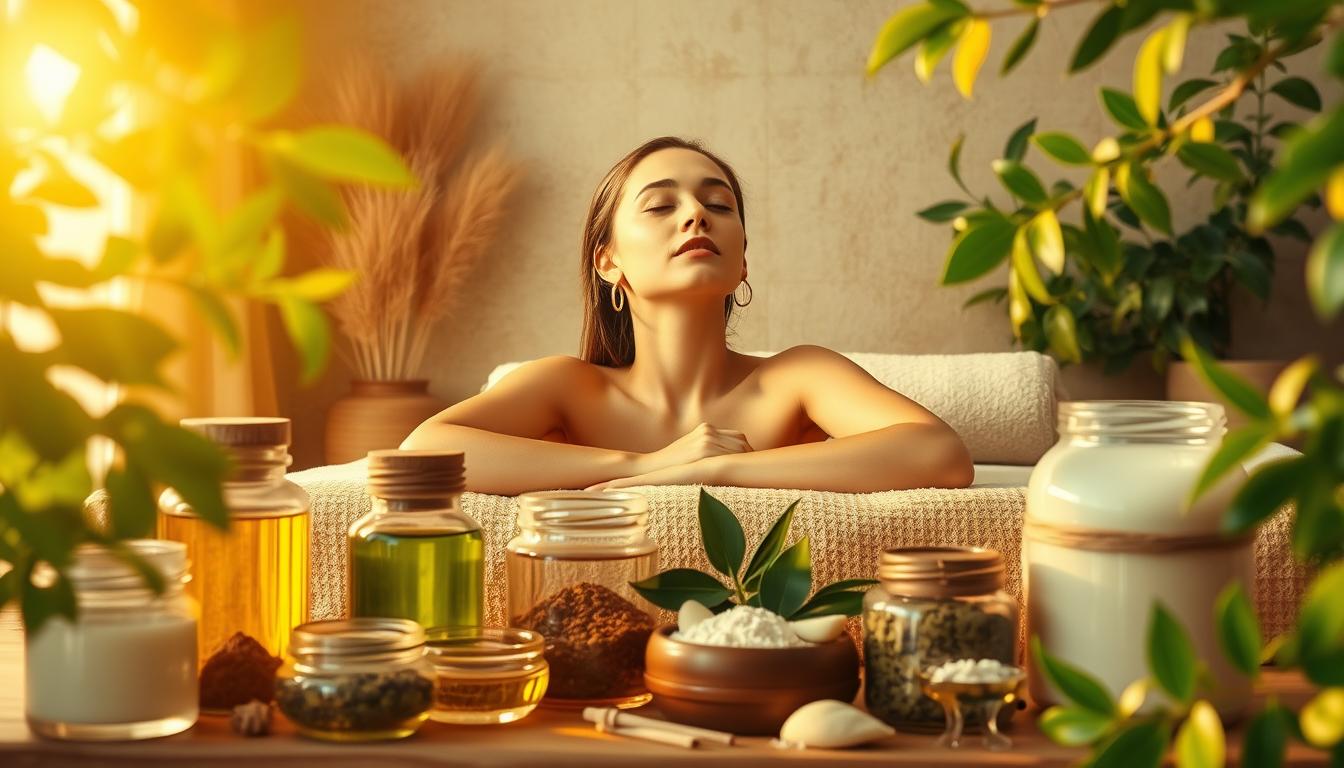
Are you tired of dull, uneven skin tone despite trying numerous skincare products? What if the key to a radiant complexion lies not in the latest products, but in ancient practices that balance your body and mind?
Ayurvedic beauty tips offer a holistic approach to achieving healthy, glowing skin. By understanding your skin type and incorporating natural remedies into your daily routine, you can unlock the secrets to naturally luminous skin.
This ancient practice focuses on balancing the body and mind to achieve a radiant complexion. By exploring ayurvedic skincare secrets, you can discover a new path to healthy, glowing skin.
Key Takeaways
Table of Contents
- Understanding your skin type is crucial for effective skincare.
- Ayurvedic practices offer a holistic approach to achieving healthy skin.
- Natural remedies can be incorporated into your daily skincare routine.
- Balancing the body and mind is key to a radiant complexion.
- Adopting ayurvedic beauty tips can lead to naturally luminous skin.
Understanding the Ancient Science of Ayurveda for Skin Health
The ancient science of Ayurveda offers a profound understanding of skin health through its holistic approach. Ayurveda, which translates to “the science of life,” is an ancient Indian practice that has been a cornerstone for achieving overall wellness, including skincare, for centuries.
The Philosophy Behind Ayurvedic Skincare
Ayurvedic skincare is rooted in the philosophy that the skin is a reflection of one’s overall health and inner balance. It emphasizes the importance of balancing the body, mind, and spirit to achieve healthy, glowing skin. This approach is based on the concept that each individual has a unique constitution, or Prakriti, which influences their skin type and health.
How Ayurveda Views Skin as a Reflection of Inner Health
In Ayurveda, the skin is considered a mirror to the internal health of an individual. Imbalances in the body’s energies, or doshas (Vata, Pitta, and Kapha), can manifest as various skin issues. For instance, an imbalance in the Pitta dosha can lead to inflammation and acne.
| Dosha | Skin Characteristics | Imbalance Symptoms |
|---|---|---|
| Vata | Dry, thin skin | Dryness, cracking |
| Pitta | Normal to oily skin | Acne, inflammation |
| Kapha | Oily, thick skin | Oiliness, congestion |
The Holistic Approach to Beauty and Wellness
Ayurvedic skincare adopts a holistic approach by focusing not just on external treatments but also on internal health and lifestyle adjustments. This includes dietary changes, stress management, and appropriate skincare routines tailored to one’s dosha. By addressing the root causes of skin issues, Ayurveda promotes long-term skin health and radiance.
Ayurvedic Skincare Secrets Based on Your Dosha
Discover how Ayurvedic principles can transform your skincare routine based on your dosha. Ayurveda, the ancient Indian system of medicine, offers a holistic approach to beauty and wellness by categorizing individuals into three primary constitutional types: Vata, Pitta, and Kapha. Understanding your dosha is crucial for selecting the right skincare practices and products.
Vata Skin Type: Characteristics and Care Strategies
Individuals with a predominantly Vata skin type often have dry, thin, and delicate skin. They may experience issues like dryness, flakiness, and sensitivity. To care for Vata skin, it’s essential to focus on nourishing and moisturizing.
- Use gentle, hydrating cleansers.
- Apply rich moisturizers to lock in hydration.
- Avoid harsh products that strip the skin of its natural oils.
Pitta Skin Type: Characteristics and Care Strategies
Pitta skin types are typically sensitive, with a tendency towards inflammation and redness. They may experience acne, rosacea, or other heat-related skin issues. Cooling and calming are key strategies for Pitta skin care.
“The right skincare routine can significantly reduce inflammation and promote healthy, glowing skin for Pitta types.”
- Use cooling products and ingredients like aloe vera and cucumber.
- Avoid excessive sun exposure and heat.
- Opt for gentle exfoliation to remove dead skin cells without irritating the skin.
Kapha Skin Type: Characteristics and Care Strategies
Kapha skin is characterized by its oily and smooth texture. Individuals with this skin type may struggle with clogged pores, blackheads, and acne. The focus for Kapha skin should be on detoxifying and balancing.

- Use lightweight, oil-free products to avoid clogging pores.
- Incorporate regular exfoliation to remove dead skin cells.
- Consider using products with astringent properties to help control oil production.
How to Determine Your Dominant Dosha
Determining your dosha involves understanding your physical characteristics, personality traits, and tendencies. You can consult with an Ayurvedic practitioner or use online quizzes and questionnaires to help identify your dominant dosha.
| Characteristics | Vata | Pitta | Kapha |
|---|---|---|---|
| Skin Type | Dry, thin | Sensitive, prone to inflammation | Oily, smooth |
| Care Strategies | Nourish, moisturize | Cool, calm | Detoxify, balance |
By understanding and embracing your unique dosha, you can tailor your skincare routine to address your specific skin concerns and achieve a more radiant complexion.
Essential Daily Ayurvedic Skincare Rituals for Natural Radiance
Ayurvedic skincare is not just about products; it’s about adopting daily rituals that promote natural radiance and overall well-being. By incorporating these practices into your daily routine, you can achieve a healthier and more radiant complexion.
Step 1: Morning Purification Practices
Starting your day with a purification ritual can help remove toxins and prepare your skin for the day ahead. Herbal skincare remedies like rosewater or neem water can be used as a gentle cleanser. Simply splash the solution on your face, or use a cotton pad to gently wipe away impurities.
Step 2: The Art of Facial Massage (Abhyanga)
Abhyanga, or facial massage, is a crucial step in Ayurvedic skincare. It involves gently massaging your face with warm oil to nourish and rejuvenate your skin. Use a circular motion to massage the oil into your skin, paying special attention to areas around your eyes and mouth. This practice not only improves circulation but also helps to relax facial muscles.
Step 3: Evening Detoxification Routines
As the day comes to a close, it’s essential to detoxify your skin. Use a gentle exfoliant or a ayurvedic skincare product containing turmeric or sandalwood to remove the day’s impurities. Follow this with a nourishing moisturizer to hydrate your skin throughout the night.
Step 4: Seasonal Adjustments to Your Routine
Ayurveda emphasizes the importance of adjusting your skincare routine according to the seasons. For example, during the dry winter months, you may need to use more moisturizing products, while in the oily summer months, you might switch to lighter, oil-free products. Being mindful of these changes can help keep your skin balanced and healthy.
By following these daily Ayurvedic skincare rituals, you can achieve a natural radiance that reflects your overall health and well-being. Remember, consistency is key, and being patient with your skin’s response to these new practices is crucial.
Powerful Ayurvedic Herbs and Ingredients for Glowing Skin
Unlock the secrets of Ayurvedic herbs and ingredients to reveal a glowing complexion. For centuries, Ayurvedic practitioners have harnessed the power of nature to promote skin health and radiance. This ancient wisdom offers a wealth of natural ingredients that can be easily incorporated into your daily skincare routine.

Turmeric: The Golden Healer
Turmeric is renowned for its anti-inflammatory and antioxidant properties, making it a staple in Ayurvedic skincare. Curcumin, a compound found in turmeric, helps reduce acne, hyperpigmentation, and inflammation, promoting a clearer complexion.
Neem: Nature’s Purifier
Neem is celebrated for its purifying properties, effectively combating acne-causing bacteria and reducing inflammation. Regular use of neem can lead to a significant reduction in breakouts and improved skin clarity.
Sandalwood: The Cooling Beautifier
Sandalwood is cherished for its cooling and soothing effects on the skin. It helps reduce redness and irritation while promoting a more even skin tone, making it ideal for sensitive skin types.
Rose: The Gentle Balancer
Rose petals are used in Ayurvedic skincare for their balancing properties. Rosewater, in particular, helps maintain the skin’s natural pH balance, hydrate the skin, and reduce the appearance of fine lines and wrinkles.
Aloe Vera: The Soothing Rejuvenator
Aloe vera is a versatile ingredient known for its soothing and rejuvenating properties. It provides intense hydration, calms irritated skin, and accelerates the healing process of minor cuts and abrasions.
How to Incorporate These Ingredients Into Your Routine
Incorporating these Ayurvedic herbs into your skincare routine can be simple and rewarding. You can use them in various forms such as:
- Face masks
- Creams and serums
- Infused oils
- Herbal teas for skin toning
Start by introducing one or two ingredients into your routine and observe how your skin responds. Gradually, you can combine these ingredients to create a personalized skincare regimen that addresses your specific skin concerns.
DIY Ayurvedic Skincare Recipes for Common Skin Concerns
Unlock the power of Ayurveda in your skincare routine with these simple yet effective DIY recipes. Ayurvedic skincare is all about harnessing the natural healing properties of herbs and ingredients to address various skin concerns. By creating your own remedies, you can tailor your skincare to your specific needs, ensuring a more effective and personalized approach.
Recipe 1: Brightening Face Masks for Dull Skin
For a brighter complexion, try a face mask made with turmeric, sandalwood powder, and yogurt. Mix 1 teaspoon of turmeric powder with 1 teaspoon of sandalwood powder and enough yogurt to form a smooth paste. Apply this mask for 15-20 minutes before rinsing off with lukewarm water.
Recipe 2: Calming Treatments for Sensitive and Inflamed Skin
To soothe sensitive skin, combine 2 tablespoons of aloe vera gel with 1 teaspoon of rosewater and a few drops of lavender essential oil. Apply this calming treatment to your face and neck, leaving it on for at least 20 minutes before gently rinsing off.
Recipe 3: Nourishing Blends for Dry and Aging Skin
Nourish dry and aging skin with a blend of coconut oil, honey, and almond oil. Mix equal parts of coconut oil and honey, then add a few drops of almond oil. Gently massage this blend onto your skin, paying special attention to areas around the eyes and mouth.
Recipe 4: Purifying Solutions for Oily and Acne-Prone Skin
For oily and acne-prone skin, a neem and tea tree oil face wash can be highly effective. Mix a few drops of neem oil with a teaspoon of tea tree oil and a mild, fragrance-free cleanser. Massage this mixture onto your face, then rinse with cold water to help reduce oiliness and inflammation.
| Recipe | Skin Concern | Key Ingredients |
|---|---|---|
| Brightening Face Mask | Dull Skin | Turmeric, Sandalwood, Yogurt |
| Calming Treatment | Sensitive/Inflamed Skin | Aloe Vera, Rosewater, Lavender Oil |
| Nourishing Blend | Dry/Aging Skin | Coconut Oil, Honey, Almond Oil |
| Purifying Solution | Oily/Acne-Prone Skin | Neem Oil, Tea Tree Oil |
Tips for Preparing and Storing Your Homemade Remedies
When preparing your DIY Ayurvedic skincare recipes, use clean, sterilized equipment to prevent contamination. Store your homemade remedies in airtight containers in a cool, dry place, away from direct sunlight. Always perform a patch test before applying a new recipe to your face to check for any adverse reactions.
By incorporating these DIY Ayurvedic skincare recipes into your routine, you can take a more natural and personalized approach to achieving healthy, radiant skin.
Conclusion: Embracing Ayurvedic Wisdom for Lifelong Skin Health
Adopting holistic skincare practices rooted in Ayurveda can transform your skin health and overall well-being. By understanding your unique skin type and incorporating herbal skincare remedies, you can achieve a radiant complexion that glows from within.
The Ayurvedic approach to skincare is not just about using the right products, but also about adopting a balanced lifestyle that nurtures both body and mind. By making simple changes to your daily routine, such as practicing facial massage and using natural ingredients, you can promote healthy, glowing skin.
As you embark on your Ayurvedic skincare journey, remember to be patient and consistent. With time, you’ll notice the benefits of holistic skincare practices, including improved skin texture, reduced inflammation, and a more even tone. By embracing Ayurvedic wisdom, you can achieve lifelong skin health and a deeper connection to your natural self.