
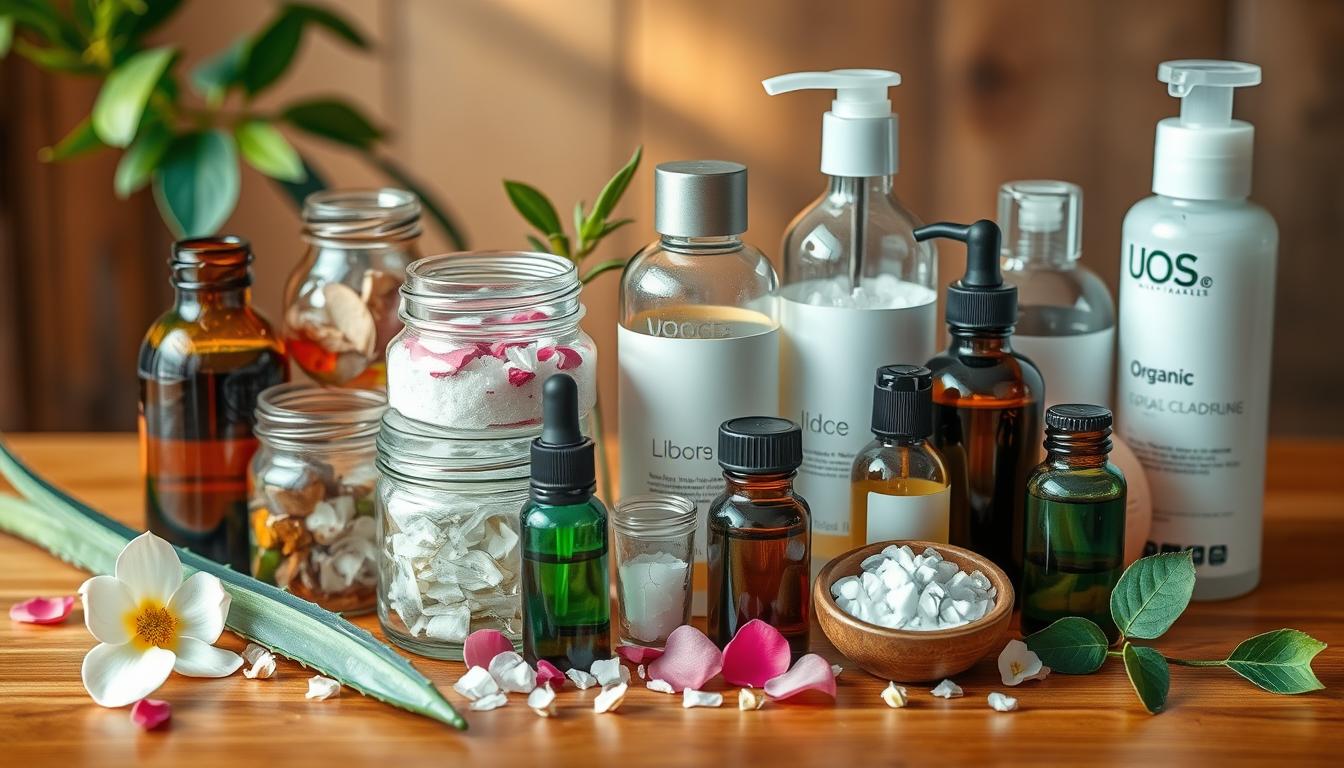
Are you tired of using harsh chemical-based skincare products that promise the world but deliver lackluster results? What if you could achieve healthy, glowing skin using nature’s finest ingredients?
The shift towards plant-based skincare is more than a trend; it’s a movement towards embracing the power of natural ingredients to nourish and protect our skin.
By choosing products rich in natural goodness, you’re not just caring for your skin; you’re also supporting a more sustainable and environmentally friendly approach to beauty.
Key Takeaways
Table of Contents
- Embracing organic skincare ingredients can lead to healthier skin.
- Plant-based skincare offers a natural alternative to chemical-laden products.
- Nature provides a wealth of ingredients that can nourish and protect the skin.
- Choosing natural skincare supports a more sustainable beauty routine.
- Adopting a natural skincare routine can be a simple yet effective way to achieve glowing skin.
The Science Behind Organic Skincare
Delving into the world of organic skincare, we uncover the benefits of natural compounds for our skin. Organic skincare products are formulated with clean beauty ingredients that are not only effective but also gentle on the skin.
Why Your Skin Loves Natural Compounds
Natural compounds in organic skincare products work in harmony with the skin’s natural processes. These non-toxic skincare ingredients promote healthy skin without exposing it to harsh chemicals.
The Difference Between Organic and Conventional Ingredients
One of the key differences lies in the absorption rates and skin compatibility. Organic ingredients tend to have better compatibility, reducing the risk of adverse reactions.
Absorption Rates and Skin Compatibility
Organic ingredients are generally more easily absorbed into the skin, enhancing their effectiveness.
Long-term Benefits for Skin Health
Using eco-friendly skincare products can lead to long-term benefits, including improved skin health and reduced environmental impact.
| Ingredient Type | Absorption Rate | Skin Compatibility |
|---|---|---|
| Organic | High | Excellent |
| Conventional | Variable | Good |
Essential Organic Skincare Ingredients for Daily Use
Organic skincare ingredients are not only better for the environment, but they also provide numerous benefits for your skin when used daily. By incorporating these natural ingredients into your skincare routine, you can achieve healthier, more radiant skin.
Plant-Based Cleansing Agents
Plant-based cleansing agents are a crucial component of any organic skincare routine. They gently remove dirt and impurities without stripping the skin of its natural oils.
Saponified Oils and Their Benefits
Saponified oils, commonly found in soap making, are created through the process of saponification, where oils are mixed with an alkali. This process results in a gentle, cleansing product that is rich in nutrients.
“Saponified oils are not only cleansing but also nourishing, making them ideal for daily skincare.”
Gentle Fruit Enzymes for Exfoliation
Gentle fruit enzymes, such as those derived from papaya and pineapple, provide a natural and effective method for exfoliating the skin. They help remove dead skin cells, revealing smoother, brighter skin.
| Cleansing Agent | Benefits |
|---|---|
| Saponified Oils | Gentle cleansing, nourishing |
| Fruit Enzymes | Exfoliates, brightens skin |
Natural Moisturizing Factors
Natural moisturizing factors are essential for maintaining hydrated, healthy skin. They help lock in moisture and protect the skin from environmental stressors.
Hyaluronic Acid from Plant Sources
Hyaluronic acid, derived from plant sources, is renowned for its ability to retain moisture. It can hold up to 1000 times its weight in water, making it an excellent ingredient for hydrating the skin.
Aloe Vera and Its Hydrating Properties
Aloe vera is well-known for its soothing and hydrating properties. It helps calm irritated skin and provides long-lasting moisture.

By incorporating these essential organic skincare ingredients into your daily routine, you can enjoy the benefits of healthier, more radiant skin while supporting sustainable skincare practices.
Powerful Botanical Extracts and Their Benefits
Botanical extracts have been a cornerstone of natural skincare for centuries, offering a wealth of benefits for various skin types. These extracts are derived from plants and are rich in antioxidants, vitamins, and minerals that can help to nourish and protect the skin.
Antioxidant-Rich Plant Extracts
Antioxidant-rich plant extracts are crucial in combating free radicals that can cause skin damage and accelerate aging. Green tea and chamomile are two such extracts that are renowned for their soothing and protective properties.
Green Tea and Chamomile
Green tea is packed with catechins, which help to reduce inflammation and fight against environmental stressors. Chamomile, on the other hand, is known for its calming effects, making it ideal for sensitive skin.
Rosemary and Grapeseed
Rosemary extract is celebrated for its ability to improve circulation and stimulate cell turnover, resulting in a more radiant complexion. Grapeseed extract is rich in polyphenols and has been shown to have anti-aging benefits.
Healing Herbs for Problem Skin
Certain botanical extracts are particularly beneficial for addressing specific skin concerns. For instance, calendula is known for its anti-inflammatory properties, while witch hazel is a natural astringent that can help refine pores.
Calendula for Inflammation
Calendula extract is derived from marigold flowers and is used to soothe irritated skin and reduce redness. It’s an excellent ingredient for sensitive or acne-prone skin.
Witch Hazel for Pore Refinement
Witch hazel is a natural astringent that helps to tighten pores and reduce the appearance of blemishes. It’s a versatile ingredient that can be used as a toner or spot treatment.
| Botanical Extract | Benefits |
|---|---|
| Green Tea | Reduces inflammation, fights environmental stressors |
| Chamomile | Soothes sensitive skin, calming effects |
| Rosemary | Improves circulation, stimulates cell turnover |
| Grapeseed | Anti-aging benefits, rich in polyphenols |
| Calendula | Anti-inflammatory, soothes irritated skin |
| Witch Hazel | Natural astringent, refines pores |
Essential Oils in Organic Skincare
With their diverse therapeutic properties, essential oils are revolutionizing the way we approach skincare in the realm of organic beauty. These potent oils, derived from plants and botanicals, offer a natural and effective way to address various skin concerns.
How to Safely Use Essential Oils
To reap the benefits of essential oils, it’s crucial to use them safely. Proper dilution is key, as undiluted essential oils can be too harsh for the skin.
Proper Dilution Guidelines
A general rule of thumb is to dilute essential oils to 1-3% in a carrier oil. For example, you can mix 5-15 drops of essential oil with 1 teaspoon of a carrier oil like jojoba or sweet almond oil.
Patch Testing Importance
Before using a new essential oil, patch testing is essential to check for any adverse reactions. Apply a small amount of the diluted oil to a discreet area of your skin and wait 24 hours to observe any reactions.
Top Essential Oils for Different Skin Types
Different essential oils cater to different skin types. Here are some recommendations:
Lavender and Tea Tree for Acne-Prone Skin
Lavender oil soothes and calms the skin, while tea tree oil is renowned for its acne-fighting properties.
Rose and Frankincense for Mature Skin
Rose oil hydrates and rejuvenates the skin, and frankincense oil helps reduce fine lines and wrinkles.
| Skin Type | Recommended Essential Oils | Benefits |
|---|---|---|
| Acne-Prone | Lavender, Tea Tree | Soothes, fights acne |
| Mature | Rose, Frankincense | Hydrates, reduces fine lines |

Nourishing Carrier Oils and Butters
The use of nourishing carrier oils and butters is a cornerstone of effective organic skincare routines. These ingredients are crucial for maintaining healthy, hydrated skin.
Light Oils for Daily Hydration
Light oils are perfect for daily use, providing hydration without clogging pores. They are easily absorbed, leaving the skin feeling soft and supple.
Jojoba and Argan Oil Properties
Jojoba oil is known for its similarity to the skin’s natural oils, making it an excellent moisturizer. Argan oil is rich in antioxidants, helping to protect the skin from environmental stressors.
Grapeseed and Sunflower Seed Benefits
Grapeseed oil is lightweight and non-greasy, ideal for sensitive skin. Sunflower seed oil is rich in vitamins and fatty acids, promoting healthy skin cell growth.
| Oil | Benefits |
|---|---|
| Jojoba | Moisturizes, balances skin oils |
| Argan | Antioxidant, protects against environmental stress |
| Grapeseed | Lightweight, suitable for sensitive skin |
Rich Butters for Deep Moisture
Rich butters provide intense moisture, ideal for dry or damaged skin. They help to repair and protect the skin’s barrier.
Shea and Cocoa Butter Applications
Shea butter is renowned for its healing properties, soothing dry skin. Cocoa butter is rich in antioxidants, improving skin elasticity.
Mango Butter for Sensitive Skin
Mango butter is gentle and nourishing, making it perfect for sensitive skin. It helps to hydrate and protect the skin.
“The right carrier oils and butters can transform your skincare routine, providing the nourishment your skin needs to thrive.”
How to Identify Quality Organic Skincare Ingredients
The key to unlocking the benefits of organic skincare lies in understanding the ingredients and their certifications. As consumers become more discerning about their skincare choices, being able to identify high-quality organic ingredients is crucial.
Understanding Organic Certifications
Organic certifications are a guarantee that the ingredients used in skincare products meet certain standards. These standards vary globally, but they all aim to ensure the use of sustainable and natural ingredients.
USDA Organic Standards
The USDA Organic label is one of the most recognized certifications in the United States. It ensures that products contain at least 95% organic ingredients. This certification is a benchmark for quality and sustainability.
COSMOS and Other Global Certifications
COSMOS is another prominent certification that operates across Europe and globally. It has strict criteria for ingredient sourcing and environmental sustainability. Other notable certifications include EcoCert and Soil Association, each with their own set of rigorous standards.
“The COSMOS standard is recognized for its stringent criteria on organic ingredients, environmental sustainability, and animal welfare.”
Reading Product Labels Effectively
Reading product labels is an art that requires attention to detail. Look for certifications like USDA Organic or COSMOS, and be wary of vague terms like “natural” or “eco-friendly” without backing certifications.
Red Flag Ingredients to Avoid
Some ingredients are red flags in organic skincare, including harsh chemicals like parabens, sulfates, and synthetic fragrances. Always check the ingredient list to ensure it aligns with your skincare values.
Greenwashing Warning Signs
Greenwashing is a practice where companies misleadingly claim their products are organic or natural. Be cautious of products with misleading labeling or unverified claims. Transparency is key to authenticity.

Creating Your Custom Organic Skincare Routine
Developing a personalized organic skincare routine can be a game-changer for achieving healthy, glowing skin. By incorporating clean beauty ingredients and plant-based skincare products, you can create a regimen that not only addresses your specific skin concerns but also promotes overall skin health.
Morning Routine Steps
A morning skincare routine sets the tone for the day, providing a foundation for healthy, protected skin.
Gentle Cleansing with Plant-Based Ingredients
Begin with a gentle cleanser that utilizes plant-based ingredients to clean the skin without stripping it of its natural oils. Look for cleansers containing soothing ingredients like aloe vera or green tea.
Antioxidant Protection and Hydration
Follow up with a toner or serum rich in antioxidants to protect your skin from environmental stressors. Then, apply a moisturizer that provides adequate hydration without clogging pores.
Evening Skincare Protocol
The evening routine is crucial for repairing and rejuvenating the skin.
Deep Cleansing and Nourishment
Start with a deep cleansing product to remove dirt, makeup, and impurities accumulated throughout the day. Use a nourishing product containing ingredients like coconut oil or shea butter to replenish moisture.
Overnight Repair Ingredients
Apply a product with overnight repair ingredients such as retinol or peptides to stimulate collagen production and enhance skin renewal.
Weekly Treatment Recommendations
In addition to your daily routine, incorporating weekly treatments can provide an extra layer of care.
Natural Exfoliation Methods
Exfoliate once or twice a week using natural exfoliation methods like sugar or salt scrubs, or chemical exfoliants containing alpha-hydroxy acids (AHAs) or beta-hydroxy acids (BHAs).
Intensive Moisture Treatments
Apply an intensive moisture treatment or face mask once a week to provide an extra boost of hydration and nourishment.
“A well-crafted skincare routine is not just about the products you use, but how you use them in harmony with your skin’s natural cycle.”
Conclusion: Embracing the Power of Nature for Radiant Skin
By incorporating botanical skincare into your daily routine, you can achieve healthier, more radiant skin while supporting sustainable skincare practices. Eco-friendly skincare is not just a trend, but a conscious choice that benefits both your skin and the environment.
As discussed, using natural and organic skincare ingredients can make a significant difference in your skin’s health. From plant-based cleansing agents to nourishing carrier oils and butters, these ingredients work in harmony with your skin to provide long-lasting hydration and protection.
By choosing sustainable skincare options, you’re not only enhancing your skin’s appearance but also contributing to a more environmentally friendly beauty industry. Make the switch to eco-friendly skincare today and experience the transformative power of nature for yourself.